Nigeria
Regional Diversity and Key Staples
The geography of Nigeria dictates its regional diets. In the predominantly Muslim North, the cuisine is rich in dairy and grains like millet and sorghum. In contrast, the Southern and Coastal regions feature an abundance of seafood, yams, cassava, and tropical fruits.
Common staple foods include:
- Swallows: Hearty, dough-like mashes made from yams (Pounded Yam), cassava (Eba or Fufu), or rice (Tuwo Shinkafa). They are typically used to scoop up various soups and stews.
- Jollof Rice: Often considered the national dish, this one-pot rice meal is cooked in a spicy tomato and pepper-based sauce. It is a centerpiece at celebrations, particularly the "smoky" version known as Party Rice.
- Soups and Stews: The "king" of soups is Egusi, made from ground melon seeds, while Okra soup is a popular nutrient-rich, "slimy" variety. Other regional favorites include Ewedu (jute leaves) from the Yoruba and Oha from the Igbo.
Flavor Profile and Essential Ingredients
Nigerian food is renowned for being savory, spicy, and aromatic. Heat is a defining characteristic, often provided by Scotch bonnet or habanero peppers. Deep umami flavors are achieved through traditional fermented seasonings like Iru (locust beans), ground crayfish, and palm oil, which also lends a vibrant reddish-orange hue to many dishes.
Street Food Culture
Street food is an integral part of urban life in Nigeria. Iconic offerings include:
- Suya: Spicy grilled meat skewers (typically beef or chicken) coated in a peanut-spice mix called Yaji.
- Akara: Deep-fried bean cakes made from black-eyed peas, frequently eaten for breakfast.
- Puff-Puff: Sweet, airy, deep-fried dough balls.
- Boli: Roasted plantains, often paired with groundnuts (peanuts) or spicy fish.
Nigerian cuisine is more than just sustenance; it is a communal experience that connects people to their heritage and identity, celebrated both at home and across the global diaspora.
Ethiopia
The Foundation: Injera and Wot
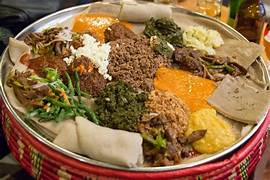
A traditional meal typically features a variety of Wots (hearty stews) served atop a large circular piece of injera. These stews are meticulously seasoned with Berbere, a signature blend of chili peppers, garlic, ginger, and fenugreek.
-
lalibelact.com +4
- Doro Wat: Often cited as the national dish, this spicy chicken stew includes slow-cooked drumsticks and a hard-boiled egg.
- Shiro Wat: A staple made from powdered chickpeas or broad beans, favored for its smooth texture and savory depth.
- Tibs: Sautéed meat (beef, lamb, or goat) often served sizzling with onions and rosemary.
Vegetarian and Fasting Traditions
Influenced by the Ethiopian Orthodox Tewahedo Church, many Ethiopians observe fasting days (Wednesdays and Fridays) where they abstain from animal products. This has given rise to Yetsom Beyaynetu, a vibrant vegetarian platter that may include:
-
Wikipedia +3
- Misir Wot: Spicy red lentil stew.
- Gomen: Sautéed collard greens or kale.
- Kik Alicha: A mild, turmeric-based yellow split pea stew.
Ritual and Community
Dining in Ethiopia is an act of connection. The tradition of Gursha—hand-feeding a guest or loved one a bite of food—symbolizes respect and hospitality. This communal spirit extends to the Ethiopian Coffee Ceremony, a ritual involving the roasting, grinding, and brewing of beans in a clay pot called a jebena.
-
Goway Travel +4
- Snacks: Coffee is often served with Kolo (roasted barley and nuts) or Dabo Kolo (crunchy, spicy dough bites).
- Traditional Drinks: Meals may be paired with Tej (honey wine) or Tella (a traditional grain beer).
Egypt
The National Icons
The soul of Egyptian dining can be found in two humble dishes:
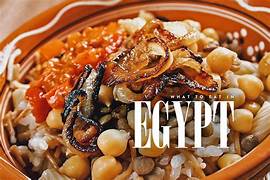
- Kushari: Often called the national dish, this unique street food is a carb-heavy mix of rice, lentils, macaroni, and chickpeas, topped with a tangy tomato sauce, garlic vinegar, and crispy fried onions.
- Ful Medames: A breakfast staple consisting of slow-cooked fava beans seasoned with olive oil, cumin, and lemon. It is traditionally scooped up with Aish Baladi, the ancient Egyptian flatbread that remains a subsidized essential for millions today.
Savory Delicacies
While legumes are central, Egyptian cuisine features rich, flavorful meat and vegetable dishes:
- Molokhia: A distinct, viscous soup made from finely chopped jute mallow leaves cooked in a garlic and coriander-infused broth, usually served with chicken or rabbit.
- Mahshi: Vegetables like zucchini, eggplants, or grape leaves stuffed with a savory mixture of rice, herbs, and spices.
- Fatteh: A celebratory dish featuring layers of toasted bread, rice, and meat (usually lamb), soaked in a vinegar and garlic sauce.
Sweet Traditions
Egyptian desserts are famously indulgent, often drenched in honey or sugar syrup:
- Om Ali: A creamy bread pudding topped with nuts and raisins, considered one of the country's most beloved treats.
- Basbousa: A moist semolina cake soaked in syrup, frequently garnished with almonds.
- Konafa: Thin, noodle-like pastry layers filled with cream or cheese, particularly popular during the month of Ramadan.
The Social Fabric
Food in Egypt is a social glue. Whether it's sharing a massive tray of grilled Kofta and Kebab at a family gathering or sipping Mint Tea at a local ahwa (coffeehouse), the act of eating is inseparable from the country's legendary hospitality.