Papua New Guinea
The Foundation: Starches and Sago
In a nation of subsistence farmers, "energy food" is the priority. The diet is dominated by staple tubers and forest products:
- Sago: Extracted from the pith of the sago palm, this starchy flour is the lifeblood of lowland and coastal communities. It is often prepared as a pancake or a jelly-like glue known as Saksak.
- Kau Kau: The sweet potato is the undisputed king of the Highlands. It is roasted, boiled, or mashed and provides the bulk of daily calories for millions.
- Yam and Taro: These ancient crops hold high cultural value and are often exchanged during traditional ceremonies and weddings.
The Mumu: A Culinary Ritual
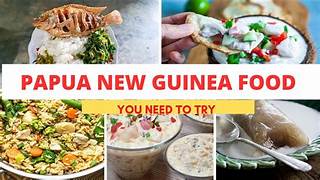
The most iconic cooking method in Papua New Guinea is the Mumu. This traditional earth oven involves digging a pit, lining it with red-hot stones, and layering meat (usually pork or chicken), sweet potatoes, greens, and fruit inside banana leaves. The entire pit is sealed with more leaves and earth, allowing the food to steam in its own juices and coconut cream for several hours, resulting in incredibly tender, smoky flavors.
Coastal Flavors and Greens
Along the coast, the diet shifts toward the ocean. Fresh fish, crab, and lobster are often simmered in coconut milk with Aibika (a leafy green similar to spinach or hibiscus). Tropical fruits like papaya, pineapple, and bananas are ubiquitous, while pit-pit (the edible stalk of a highland grass) provides a unique, corn-like texture to many stews.
Social Significance
Food in PNG is rarely just a meal; it is a social currency. Large-scale feasts involving the slaughter of pigs are essential for settling disputes, marking transitions, and building community ties. Whether it's sharing a simple roasted kau kau by a fire or a massive village Mumu, the act of eating is a testament to the country's wantok (kinship) system.
New Zealand
The Hāngī: An Indigenous Masterpiece
The most significant culinary tradition is the Māori Hāngī. Similar to the PNG Mumu, this involves cooking meat (lamb, pork, or chicken) and "root veges" (sweet potato, or kumara) in an earth oven. The food is wrapped in baskets and buried with hot stones, resulting in a distinctively earthy and smoky flavor that serves as a cornerstone of communal gatherings and cultural identity.
World-Class Staples
With vast coastlines and lush pastures, certain ingredients have become global icons:
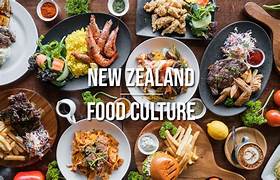
- Lamb: New Zealand lamb is world-renowned for its tenderness and is a staple of the traditional Sunday roast.
- Seafood (Kaimoana): The cold, clean Pacific waters provide unique delicacies like Green-lipped mussels, the buttery Bluff oyster, and the Crayfish (rock lobster) that gave the town of Kaikōura its name.
- Pāua: This large sea snail (abalone) is prized both for its rich meat and its stunning iridescent shell.
The Sweet Tooth: Pavlova and Kiwiana
The "great Pavlova debate" with Australia continues, but the Pavlova—a marshmallowy meringue topped with fresh cream and fruit—remains the quintessential Kiwi dessert. Other "Kiwiana" favorites include:
- Hokey Pokey Ice Cream: Creamy vanilla mixed with crunchy bits of honeycomb toffee.
- Manuka Honey: A world-famous, medicinal-grade honey produced by bees that pollinate the native Manuka bush.
Modern Café Culture
Today, New Zealand (alongside Australia) leads a global café revolution. The "Flat White" coffee was perfected here, paired with a modern dining style that emphasizes fresh avocados, sourdough, and seasonal produce. This is often washed down with a crisp Marlborough Sauvignon Blanc, as the country’s wine industry is now a central pillar of its culinary reputation.
Fiji
The Pillars of Traditional Cooking
Traditional iTaukei (indigenous) food is characterized by mild, creamy flavors and earthy cooking techniques:
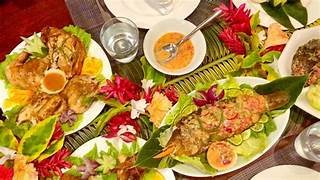
- The Lovo: Reserved for special occasions like weddings or festivals, a Lovo is an underground earth oven. Meats, fish, and vegetables are wrapped in banana or taro leaves and buried with hot stones to slow-cook for hours, imparting a deep, smoky flavor.
- Kokoda: This is Fiji’s version of ceviche, typically made with raw mahi-mahi or snapper marinated in lime juice and then dressed with rich coconut cream, onions, and chilies.
- Starchy Staples: Roots like Dalo (taro) and Tavioka (cassava) are the primary sources of energy and are served boiled, roasted, or as chips with almost every meal.
Indo-Fijian Influence
Roughly 40% of Fiji's population is of Indian descent, leading to a unique "Indo-Fijian" culinary style that incorporates local island ingredients into traditional curries:
- Fish Suruwa: A uniquely Fijian curry where white fish is simmered in a sauce of coconut milk, cumin, and garam masala.
- Roti and Dhal: Soft flatbreads and thick lentil soups are everyday staples, often served at bus stations and roadside stalls for a quick, filling lunch.
Unique Island Delicacies
Fiji offers several ingredients found nowhere else in the world:
- Duruka: Known as "Fijian Asparagus," this is the unopened flower of a cane shoot, often added to curries or coconut-based stews.
- Nama (Sea Grapes): Small, salty green beads harvested from shallow reefs, typically eaten raw as a salad with lemon and chili.
- Palusami: Bundles of taro leaves filled with thick coconut cream and occasionally corned beef, steamed until they melt in the mouth.
Social Rituals and Beverages
No discussion of Fijian food is complete without Kava (also known as yaqona). This ceremonial drink, made from the crushed root of a pepper plant, is a social glue used to welcome guests and mark transitions. It has a distinctively earthy taste and a mild numbing effect on the lips and tongue.