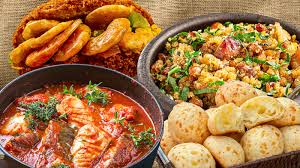
Canada:
The Pillars of Canadian Flavor
At the heart of the national identity is maple syrup. Canada produces roughly 70–85% of the world’s supply, a tradition that began with Indigenous peoples who first discovered how to tap maple trees and boil the sap into a sweet concentrate. Today, it is used in everything from breakfast pancakes to sophisticated glazes for salmon and meats.
Equally iconic is poutine, which originated in rural Quebec in the late 1950s. This "national dish" elevates simple French fries by topping them with fresh, squeaky cheese curds and a rich brown gravy. Its popularity has surged globally, evolving from a humble snack-bar treat to a staple featured in both fast-food chains and high-end restaurants.
Regional Specialties and Indigenous Roots
Canada's diverse regions have birthed distinct culinary traditions: The East Coast: Famous for fresh Atlantic seafood, specifically the Nova Scotia Lobster Roll and Newfoundland's "Jigg’s Dinner," a hearty boiled meal of salt beef and root vegetables.
Quebec: Beyond poutine, this province is known for tourtière (a spiced meat pie) and Montreal-style bagels, which are smaller, denser, and sweeter than their New York counterparts because they are boiled in honey-sweetened water.
The Prairies: Known as the "breadbasket of Canada," this region excels in Alberta Beef and unique crops like Saskatoon berries, often found in pies.
Indigenous Cuisine: Traditional diets are deeply connected to the land, featuring bannock (a versatile flatbread), wild game like moose and bison, and "Three Sisters" soup made from corn, beans, and squash.
Sweet Treats and Unique Snacks
Canadians have a noted passion for sweets, including the Nanaimo bar—a three-layered, no-bake dessert from British Columbia—and butter tarts, which consist of a flaky pastry shell filled with a gooey, sugary center. For savory snacking, Ketchup-flavored potato chips and "All Dressed" chips remain uniquely Canadian favorites that often surprise international visitors.
Ultimately, Canadian food is defined by its resourcefulness and evolution. Whether it is a peameal bacon sandwich from Toronto’s St. Lawrence Market or a steaming bowl of split pea soup, the country’s cuisine continues to celebrate its historical roots while embracing the new flavors brought by every new wave of Canadians.
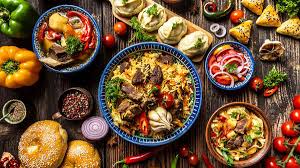
United States:
1. The Indigenous Foundation
Long before European contact, Native American communities developed sophisticated agricultural systems centered around the "Three Sisters": corn, beans, and squash. These crops were grown together for symbiotic benefits and remain foundational to American staples like cornbread and succotash. Indigenous peoples also pioneered techniques like smoking meats, maple sugaring, and the cultivation of wild rice.
2. The Impact of Immigration
Almost every "classic" American dish has immigrant origins that were adapted to local ingredients:
- Central & Eastern Europe: The hamburger (traced to Hamburg, Germany) and the hot dog became national icons after being modified for American tastes.
- Italy: Once a humble street snack in Naples, pizza was reinvented in cities like New York and Chicago, becoming a multi-billion dollar industry.
- West Africa: Enslaved Africans introduced essential crops like okra, yams, and black-eyed peas, alongside slow-cooking and deep-frying techniques that form the backbone of Southern soul food.
- Mexico: The Southwest is defined by Tex-Mex and New Mexican flavors, where traditional burritos and tacos were "loaded" with more meat, cheese, and sour cream to satisfy the American palate.
3. Distinct Regional Identities
The U.S. is divided into culinary regions with starkly different specialties:
- The Northeast: Famous for hearty seafood like New England Clam Chowder and Maine Lobster Rolls.
- The South: Known for "country cooking," including biscuits and gravy, fried chicken, and varied regional BBQ styles (vinegar-based in the Carolinas vs. tomato-based elsewhere).
- The Midwest: Often called the "breadbasket," it is the home of deep-dish pizza, cheese curds, and the "hotdish" (casserole).
- The West Coast: Emphasizes fresh, health-conscious ingredients, Asian-fusion, and sourdough bread in San Francisco.
4. Modern Trends (2025–2026)
In recent years, American food has moved toward "functional comfort," focusing on high-protein, affordable, and viral "one-pan" recipes. Popular trends in 2025 include:
- Sweet-and-Spicy: The "hot honey" craze continues to dominate condiments.
- Global Fusion: High-protein "destination dishes" like Turkish pasta (inspired by manti) and dumpling bakes have become home-cooking staples.
- Nostalgic Comfort: Despite health trends, classics like grilled cheese with tomato soup and macaroni and cheese remain the most searched and loved comfort foods nationwide.
Ultimately, American food is not a static list of dishes but a living negotiation between traditions, necessity, and a relentless drive for innovation.
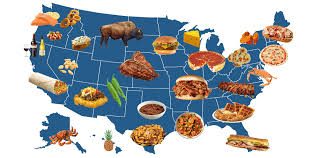
Brazil:
1. The National Soul: Feijoada and Rice
If Brazil has a heartbeat, it’s Feijoada. This rich, slow-cooked black bean stew is packed with various cuts of pork and beef. Traditionally served on Wednesdays and Saturdays, it comes with a ritualistic set of sides: white rice, sautéed kale, orange slices to aid digestion, and farofa—toasted cassava flour that adds a necessary crunch to almost every Brazilian meal.
2. The African Heart of Bahia
In the Northeast, particularly Bahia, the influence of the African diaspora is undeniable. The star of the show is Acarajé, a street food staple made from peeled black-eyed peas formed into a ball and deep-fried in bright orange dendê (palm) oil. It’s typically split open and stuffed with vatapá (a spicy paste of bread, shrimp, and peanuts). This region is also famous for Moqueca, a fragrant seafood stew cooked in clay pots with coconut milk and peppers.
3. The Gaucho Grill: Churrasco
In the south, the pampas (grasslands) gave rise to the Churrasco culture. Brazilian barbecue isn't about heavy sauces; it's about high-quality cuts of meat—like the prized Picanha (sirloin cap)—seasoned simply with coarse salt and grilled over open flames. The rodízio style of service, where servers bring skewers of meat directly to your table until you signal them to stop, is a world-famous Brazilian dining experience.
4. Iconic Snacks and Sweets
Brazilians are the masters of the "lanche" (snack). You can't walk a block in a major city without finding: Pão de Queijo: Addictive, chewy cheese bread rolls made with tapioca flour (making them naturally gluten-free). Coxinha: Teardrop-shaped croquettes filled with shredded chicken and cream cheese.
Brigadeiro: The king of Brazilian parties, these truffle-like balls are made from condensed milk, cocoa powder, and butter, then covered in sprinkles. Açaí: Long before it was a global "superfood," this Amazonian berry was a local staple, served either savory with fish in the North or as a sweet, frozen bowl in the South.
5. Tropical Refreshment
To wash it all down, Brazilians turn to Guaraná, a unique soda made from an Amazonian fruit, or the Caipirinha. The national cocktail is deceptively simple: cachaça (sugarcane spirit), mashed lime, and sugar over ice—perfect for the tropical heat.
Brazilian food is more than just sustenance; it is a social event. Whether it’s a long Sunday lunch or a quick bite at a boteco, the flavors are as warm and welcoming as the people themselves.